
What to Do Before Your C-REPS Professional Evaluates Your Home
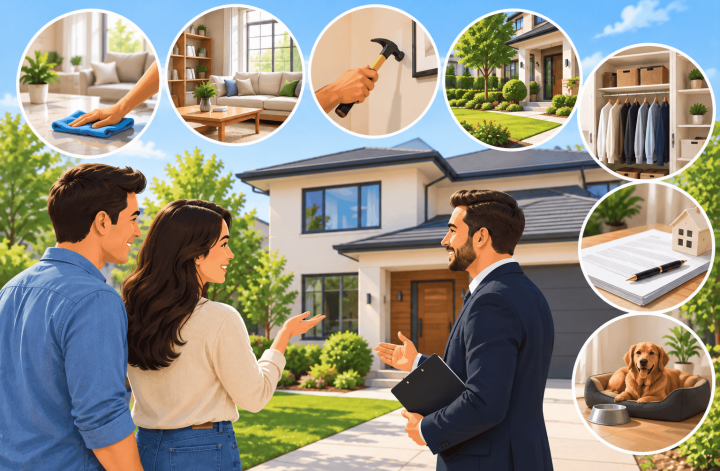
When a C-REPS professional arrives to evaluate your home, they’re not conducting a casual walk-through. These certified real estate pricing specialists bring rigorous training, deep market knowledge, and a systematic approach to understanding your property’s true value. As an active real estate agent or broker trained and tested through the National Association of BPO Professionals (NABPOP), a C-REPS professional will examine your home with professional precision to determine accurate market pricing.
Whether you’re selling your home, refinancing, or simply seeking a professional valuation from a trustworthy expert, preparing your home for a C-REPS evaluation sets the stage for an accurate assessment. This guide walks you through the essential steps to take before your evaluation appointment, ensuring your home presents its best self to a certified professional who knows what today’s buyers actually want.
Why Preparation Matters for Your C-REPS Evaluation
Understanding why preparation is important helps you approach it strategically rather than just cosmetically. C-REPS professionals evaluate homes differently than typical real estate agents. They combine professional training with real-market knowledge, looking at both tangible improvements and how your home compares to actual comparable properties in your market.
A well-prepared home allows the C-REPS professional to see your property’s true potential. Clutter obscures architectural features. Poor lighting masks room size. Deferred maintenance raises red flags about the property’s condition. When you prepare thoughtfully, you’re removing barriers to an accurate, favorable evaluation.
The goal isn’t to deceive or artificially inflate your home’s value. Rather, preparation ensures that the C-REPS professional can evaluate your property fairly, seeing it as buyers would see it after minor, expected preparations.
Step 1: Deep Clean Your Entire Home
Start with the most foundational preparation: a thorough, professional-grade cleaning.
Focus areas:
- Kitchen: Clean inside appliances, degrease the stovetop, sanitize counters and backsplash, clean cabinet fronts, and shine sink fixtures
- Bathrooms: Scrub grout, sanitize surfaces, clean mirrors and fixtures until they shine, and replace old shower curtains if needed
- Floors: Deep clean or professionally shampoo carpets, polish hardwood, and clean tile grout
- Windows: Clean both interior and exterior panes, including window sills and frames
- Walls: Wipe down light switches, door handles, and scuff marks from baseboards
- Ceilings and vents: Dust ceiling fans, light fixtures, and air return vents
- Exterior: Sweep porches and patios, power wash driveways and decks (if applicable)
A clean home signals that the property has been well maintained. It also makes the C-REPS professional’s job easier, which they’ll appreciate and remember.
Step 2: Address Critical Repairs and Maintenance Issues
C-REPS professionals are trained to identify deferred maintenance quickly. Before your evaluation, address obvious repair needs that a buyer’s inspector would certainly flag.
High-priority repairs:
- Leaking faucets or running toilets
- Cracked windows or damaged window panes
- Broken cabinet doors or loose drawer handles
- Peeling paint, especially interior walls and exterior trim
- Water stains on ceilings or walls (indicating roof or plumbing issues)
- Loose or missing roof shingles (visible from the ground)
- Damaged deck boards or railing issues
- Gaps in caulking around windows or bathroom fixtures
- HVAC filters that haven’t been changed recently
- Broken door handles, locks, or hinges
You don’t need to undertake major renovations at this stage. The C-REPS professional understands that homes require maintenance. However, visible deferred maintenance creates an impression that the home hasn’t been cared for, which artificially depresses perceived value.
Step 3: Declutter and Depersonalize Spaces
Clutter significantly impacts how a space reads to a professional evaluator. It obscures room size, makes spaces feel cramped, and creates an impression of disorder.
Decluttering priorities:
- Remove excess furniture so rooms feel spacious and functional
- Clear kitchen counters to two or three essential items (coffee maker, knife block, cutting board)
- Remove personal photos, memorabilia, and collections from display
- Store excess books, magazines, and media out of sight
- Clear closets visibly if the C-REPS professional requests to see them
- Organize garage to show storage potential (move boxes and excess items to storage if needed)
- Remove items from bathroom counters, leaving only essential, attractive pieces
- Store children’s toys in designated bins or rooms
- Clear entryways and hallways of shoes, coats, and other items
The goal is to help the evaluator see your home’s potential rather than its current occupant’s lifestyle. Depersonalization also makes your home feel larger and more versatile to someone imagining their family there.
Step 4: Improve Lighting and Atmosphere
Lighting dramatically affects how a space feels and appears during an evaluation. A dark, dim home feels smaller and sadder than it actually is. Addressing this costs nothing but makes a measurable difference.
Lighting improvements:
- Open all curtains and blinds to maximize natural light
- Replace burned-out bulbs in all fixtures throughout the home
- Add additional lamps in darker rooms (bedrooms, living areas, hallways)
- Ensure that hallways, entryways, and bathrooms are well-lit
- Test outdoor lighting if the evaluation occurs in evening hours
- Clean light fixtures and lampshades to maximize brightness
- Avoid heavy, dark curtains that block light
Consider pleasant ambient atmosphere as well. A home that smells fresh and feels welcoming makes a positive impression. Avoid heavy cooking smells, pet odors, or chemical cleaners. A subtle fresh-baked cookie scent or vanilla candle is traditional for a reason.
Step 5: Stage Key Rooms for Maximum Impact
While full home staging isn’t required before a C-REPS evaluation, strategic staging of key rooms pays dividends. Focus on spaces that define your home’s value and appeal.
Rooms to stage:
- Master bedroom: Clear excess furniture, make the bed with fresh linens, and ensure the room feels like a peaceful retreat
- Master bathroom: Organize toiletries, add a clean bath mat, and ensure mirrors are spotless
- Kitchen: Clear counters, shine appliances, and consider adding a bowl of fresh fruit for visual warmth
- Living room: Arrange furniture to show the room’s flow and functionality, add tasteful throw pillows or blankets, and ensure seating appears inviting
- Entry: Create a welcoming first impression with a clear, clean foyer free of clutter
Staging doesn’t require purchasing new furniture. Instead, it’s about arranging existing elements to show rooms in their best light.
Step 6: Evaluate and Enhance Curb Appeal
A C-REPS professional’s evaluation begins the moment they pull up to your property. First impressions matter significantly.
Exterior enhancements:
- Mow the lawn and edge walkways
- Plant seasonal flowers in entryway beds for color and vitality
- Trim overgrown bushes and remove dead branches from trees
- Pressure wash the front entrance, walkway, and driveway
- Paint or repair the front door if it’s worn or outdated
- Ensure house numbers are clearly visible and properly maintained
- Check that gutters are clean and in good repair
- Inspect the mailbox and refresh or repaint if needed
- Remove dead plants, toys, or equipment from view
- Ensure outdoor lighting is functional and positioned to welcome visitors
Curb appeal creates a critical first narrative about your home’s condition and care level.
Step 7: Prepare Documentation and Property Information
C-REPS professionals are trained evaluators, not appraisers, but they benefit from information about your home’s improvements and condition.
Prepare these documents if available:
- List of recent major repairs or replacements (roof, HVAC, water heater, electrical panel)
- Records of property improvements or renovations with dates and costs
- Energy efficiency upgrades or certifications
- Warranty information for appliances or systems
- Homeowners insurance coverage document (shows property details)
- Property tax records
- Information about HOA fees if applicable
- Neighborhood information highlighting nearby schools, parks, or commute routes
Having this information organized and readily available demonstrates you understand your property’s value drivers and have maintained it responsibly.
Step 8: Resolve Pet and Odor Issues
Pet owners should take special care before a C-REPS evaluation. Pet odors, even ones you’ve become accustomed to, significantly impact how a professional evaluates your home.
Pet preparation:
- Professionally shampoo carpets if you have pets
- Replace air filters in HVAC system
- Consider boarding pets during the evaluation, or at minimum confining them to one area
- Deep clean any areas where accidents have occurred
- Use enzymatic cleaners on any spots with lingering odors
- Ensure litter boxes are scrupulously clean or removed during evaluation
Odors are one of the few factors that can negatively impact an evaluation despite a home’s actual condition. Taking this seriously pays dividends.
Step 9: Ensure Climate Control and Comfort
A well-maintained, comfortable home is more favorably evaluated than one where the HVAC system seems questionable.
HVAC and comfort considerations:
- Service your HVAC system before the evaluation if it’s been more than a year
- Replace furnace/AC filters
- Test that heating or cooling works properly
- If it’s winter, ensure the home is at a comfortable temperature during the evaluation
- If it’s summer, keep the home comfortably cool
- Open windows if weather permits to ensure fresh air circulation
- Check that thermostat is functioning properly
A C-REPS professional immediately notices when a home’s HVAC system seems questionable. Proper functioning signals good maintenance.
Step 10: Create a Positive Interaction Environment
How you present yourself during the evaluation influences how the C-REPS professional perceives your home and engages with their work.
During the evaluation:
- Be cooperative and available to answer questions about the property
- Provide access to all areas the professional requests (attic, basement, utility rooms)
- Offer helpful context about improvements or maintenance you’ve done
- Answer honestly about any known issues
- Avoid hovering or trying to influence the professional’s observations
- Allow the C-REPS professional to work methodically through their evaluation process
- Have a quiet space available if they need to make notes or take measurements
Remember that C-REPS professionals are bound by professional ethics and training. They’re not trying to undervalue or overvalue your home; they’re working to determine accurate, defensible market value based on real market data.
What to Expect During the C-REPS Evaluation
Understanding what happens during the evaluation helps you prepare mentally and logistically.
A C-REPS professional will typically spend 30 minutes to an hour thoroughly evaluating a residential property. They’ll examine:
- Exterior condition and curb appeal
- Roof and foundation (from ground level)
- Windows, doors, and siding
- Room sizes, layouts, and functionality
- Kitchen and bathrooms
- Flooring conditions
- HVAC, plumbing, and electrical systems (visible elements)
- Evidence of water damage, pest issues, or structural concerns
- Overall maintenance level and condition
They’ll take measurements, photograph key areas, and review the information you provide. They’re trained to assess properties systematically, removing personal bias and focusing on market facts.
C-REPS professionals are not performing appraisals or detailed inspections. They’re conducting professional evaluations informed by training, market knowledge, and comparable property analysis. The evaluation is thorough but focused on factors that influence market value.
Post-Evaluation: What Happens Next
After the C-REPS professional completes their evaluation, they’ll typically provide a detailed analysis of your home’s market value based on comparable properties, condition, location, and market trends.
This evaluation differs from a traditional agent’s opinion because C-REPS professionals are trained to use systematic methodologies and real market data rather than intuition or sales tactics. Their certification through NABPOP means they’ve met rigorous standards and continue professional development.
The evaluation provides an accurate baseline for pricing your home if you decide to sell, refinancing needs if you’re seeking equity, or investment analysis if you’re considering the property as part of a portfolio.
Frequently Asked Questions
What’s the difference between a C-REPS evaluation and a traditional appraisal?
C-REPS professionals are certified real estate agents or brokers trained in professional pricing methodology, not appraisers. Appraisals are required by lenders and follow strict federal standards. C-REPS evaluations combine market expertise with professional training to provide accurate property valuations for various purposes including pricing, refinancing consideration, or investment analysis.
Do I need to hire a professional cleaner before the evaluation?
While a professional cleaning isn’t absolutely required, it’s highly recommended. A thoroughly clean home presents better and allows the C-REPS professional to see your property fairly. Many homeowners find that hiring a cleaning service for one or two visits pays dividends in terms of the evaluation outcome.
Can a C-REPS evaluation increase my home’s market value?
The evaluation itself doesn’t change your home’s actual value. However, the professional’s recommendations about improvements or pricing positioning can help you understand how to maximize your home’s appeal and market price. The preparation work you do before the evaluation shows the property in its best light.
What if I have major repairs needed? Should I fix them before the evaluation?
Address obvious, visible repairs that signal poor maintenance. However, you don’t need to undertake expensive renovations before a C-REPS evaluation. The professional understands that homes require maintenance and will factor known issues into their assessment. They’re evaluating your home’s current condition, not its potential after major work.
How long does a C-REPS evaluation typically take?
Most residential evaluations take 30 minutes to an hour, depending on the property’s size and complexity. The C-REPS professional will systematically examine the home’s exterior, interior, systems, and condition while taking measurements and notes.
Should I be present during the evaluation?
Yes, being available to answer questions is helpful. The C-REPS professional may ask about improvements, maintenance history, or systems. However, avoid hovering or trying to influence their observations. They’re trained professionals working to provide an accurate, unbiased assessment.
What if the C-REPS evaluation comes in lower than I expected?
Ask the professional to explain their reasoning. C-REPS professionals base evaluations on comparable properties, market conditions, and property condition. If you disagree with findings, discuss them respectfully, but remember that the professional has training and market data to support their assessment.
Can I dispute a C-REPS evaluation?
If you believe the evaluation contains factual errors or misses important information about your property, discuss this with the C-REPS professional. However, remember that evaluations are professional opinions based on market data. If you’re selling or refinancing, you may obtain additional evaluations for comparison.
How often should I get my home evaluated?
If you’re planning to sell, one evaluation near the time of listing makes sense. If you’re refinancing, your lender will order an appraisal. For investment properties or long-term planning, periodic evaluations every few years help you understand your home’s value trajectory.
Are C-REPS professionals licensed differently than regular real estate agents?
C-REPS professionals hold regular real estate licenses as agents or brokers, but they’ve completed additional training and certification through NABPOP. This additional certification signals their commitment to professional excellence and systematic valuation methodology beyond typical agent training.
Add Value to Your HomeAdd Value to Your Home

Looking for some value-boosting tips for your home? Whether you are planning for a quick makeover or a full home renovation, the following tips will get you covered. Even if you don’t want to sell your house in the coming years, it helps you know how to add value to your home while improving the curb appeal. “You will receive so many compliments on your home after reading this article full of helpful tips for your future renovation project.” (Claim Quote)
Here is how you can add value to your home:
- Dealing With Potential Structural Issues
- Updating The Central Heating System
- Focus On Home Decor
- Kitchen Renovation
- Building A Deck
- Replace Garage Door
- Steel Entry Doors
- Landscaping
- Add Lighting To Your Outdoor Space
- Basement Space
- Upgrade With The White Paint
Dealing With Potential Structural Issues:
Structural issues including subsidence can massively affect the value of your home meaning it is highly important to resolve structural issues on priority. It wouldn’t make sense to opt for a kitchen renovation or any other home improvement options without dealing with structural issues first.
Updating the Central Heating System:
If you want to add value to your home, then it is a good idea to update your central heating system. That way you will also improve the energy-efficiency of your home.
Focus on Home Décor

Improving home décor can be the most obvious task if you are looking to add value to your home. You can improve your home décor while eliminating the typical defects such as peeling paint, moldy sealants, loose tiles, dripping taps, cracks, squeaky stairs and lifting flooring.
Kitchen Renovation

A clean, attractive, and sociable kitchen attracts you to spend some time in the kitchen for any meal. Try changing the paint color, cabinets, or countertops in the kitchen to give it a finished look.
Building a Deck

If you want to add value to your home by transforming your outdoor space, then building a deck is the perfect option you can take into consideration. According to the cost versus value report of remodeling 2019, it has been estimated that homebuyers get a higher return on investment when it came the time of house sale. “If it has always been your dream to own a deck, building your own gives you the power to install the exact deck you want.” (Claim Quote)
Replace Garage Door
An old garage door can potentially ruin the curb appeal of your home and change the decision the potential investors. Replacing the garage doors do not just boost curb appeal but also provide the most up-to-date security and safety.
Steel Entry Doors
There are a plethora of options available in steel entry doors, you can choose from a variety of paneling and finishes. They enhance the security of your home while standing up to wear and tear.
Landscaping

Landscaping is the best and cost-effective ways to increase the value of your residual property. You can improve the appearance by adding healthy plants, trees, and flowers along with the well-manicured lawn. Apart from this, remove hidden hoses, dead vegetation and keep everything looking well-maintained to create the best first impression.
Add Lighting To Your Outdoor Space
The first step to turning your backyard into a welcoming and entertaining space is installing outdoor lighting that optimizes the natural features of your home. Whether you add accent lighting near the sculptures in your home garden, add pool lights, or mood lighting around the patio- outdoor lighting will increase the value of your home.
Basement Space
Transforming the unused basement space can be the key selling point when you put your property on sale in the housing market. You can transform the basement space into the painting room, a home office, a tattoo shop, or even a peaceful room like a library.
Upgrade with the White Paint

You can give your living rooms a fresh and sophisticated finish with the white paint. It helps buyers to imagine themselves in your home and make your home more valuable. “White doesn’t have to be such a plain color. Adding a fresh coat of white paint to the trim around your house can give your place a brighter and cleaner feel.” (Claim Quote)
So are you ready to transform your home and boost its value?
Preparing for Guests

Hosting Easter dinner this weekend? Have friends and family coming to visit after church? Getting ready for company but you’re too busy to keep everything pristine? Hosting is always a nice way to spend a holiday but can be stressful leading up to the event. Cut your stress with this quick checklist that will make sure you’ve got everything around the house tidy enough to host.
Take advantage of a long weekend to complete a big project which will pay off for years to come. Here are some ideas to get you started.
Keep it Simple to Prepare for Company
- Tidy up the existing landscape that may be intruding on the common area
- Trim trees and shrubbery
- Mow, rake, pull weeds
- Clean off patio furniture
- Power wash or use a washcloth to clean your furniture that has been sitting all winter long
- Lay down a yard rug
- A bright, colorful rug will accentuate any outdoor space
- De-clutter visible areas where guests could be hanging out
- Consider outdoor storage bins
- Make an outdoor toy box
- Utilize a hose hider
- Pressure wash driveways, patio, and paths to remove any automotive oils or saps that guests could potentially track into the living area
- Keeping the outside clean will help your end-of-party cleanup in the long run
- Climate control to keep guests comfortable
- Set up shade for daytime events
- Heating lamps for when the sun goes down
- Upgrade lighting to keep the party going after the sun goes down
- String lights
- LED strip lights
- Tiki torches
- Candles
- Solar lights
- Lanterns
Winter Décor Ideas

The winter holidays are upon us, and for many, that means family, friends, and lots of eating & drinking. For some, the holidays afford them a break from work and plenty of time to deck their home and yard full of decorations. For others, the holidays only ramp up their hectic lifestyle and grant them little to no time to spice up their space. Whichever category you fall under, here are a few quick & easy suggestions to give you some heading.

- Inflatable yard decorations

- Bow ties & Ribbons
- Wreaths

- Wrap up some boxes to look like presents
- Light up the yard with LED
- String lights
- Reindeers
- Christmas trees
- Santa / sleigh / elves
- Snowflakes
- Raindrops from eaves and trees
- Stars
For more ideas, check out Winter Decoration Ideas
How to Declutter and Help Your Community This Year?

Are you planning to declutter your stuff that you no longer use? Do you know that you can donate your used things to those in need through charitable organizations? The average U.S. household has been estimated to throw away around 68 pounds of clothing every year, clogging up the landfills in many cities. “Consider going through your closet during your next spring cleaning. You don’t realize how much can be stuffed in their until you pull everything out and organize!” (Claim Quote)
Thus whether you are moving to your second home or just want to clear all your clutters, it is a time to start sorting your unwanted and unused items. When you donate your unused items to charitable organizations, you contribute to making the world a better place.
Before donating your stuff, consider their condition. You should only donate the things which are new, gently used, or unused, which means the items that are in good condition, presentable, and clean. Do not denote things that cannot be used by others or don’t work properly, have missing parts. When it comes to clothing, do not donate clothes that are torn, ripped, or stained.
Here’s what you can donate:
Warm Coats
If you are running out of closet space and have some warm coats that you don’t wear, consider donating them to people who need them. That way you will free up your closet space to store your new clothing and help someone stay warm and safe during the winters.
Furniture
Are you planning to buy new furniture for your living room to give it a more cozy and comfortable feel? If yes, then you can declutter your old furniture. Big, bulky furniture look beautiful yet comfortable but can make your room appear smaller. You can declutter that bulky furniture and donate them to any charitable organization and purchase some smaller-scale furniture.
Electronics

If you have some phones, tablets, TV, computers, or related devices that you no longer use, then you can donate them to people who cannot afford the brand new set. Your old tech could be very beneficial for students who need to succeed in their academics. “Consider donating old tech collecting dust in your cupboard to someone in need.” (Claim Quote)
You can contact a professional organizer and figure out what can be donated for the welfare of the community. You can take your stuff to the local do-good organizations and contribute in donations of all kinds.
Besides, you will find ways to make your living room look larger while decluttering you stuff.
So, are you ready to help your community? Start decluttering your things.
To know more details, you can visit https://c-reps.com/home-improvement/
Backyard ideas

Backyard projects are a fantastic way to get out of the house and get those creative juices flowing, especially as the warmer weather is finally upon us. Get the whole family together or tackle a solo project to customize your space so everyone can get the most out of it. Whether the hands-on approach isn’t possible or you just want to kick back and relax, these ideas can easily be subcontracted out to the professionals.
- Create an outdoor living area
- Outdoor sound system
- Build seating and storage benches
- Outdoor Recreation Area
- Lay down artificial turf
- Gym equipment
- Pull up bars
- Monkey bars
- Courts
- Basketball
- Soccer
- Volleyball
- Build a deck or patio
- Add a retractable awning
- BBQ grill island
- Pool / Jacuzzi
- Above or below ground
- Firepit
- Temporary (transportable)
- Permanent
- In-ground
- Above-ground
- Add walkways to yard amenities
- Stone
- Colored gravel path
- Concrete
- Wooden pathway
- Brick
- Glow in the dark path pavement
- Light up the area
- Patio lighting
- Walkway lighting
- Landscape lighting
- String lights between trees and the house
- Fence in the side yard for trash bins and other unsightly necessities
- Add a shed to store landscaping tools out of the elements
- Update fencing
- Paint or varnish
- Install a fountain
- Tree swing
- Fertilize the yard/ landscaping to promote growth
- Plant native plants/trees
- Garden
- Decorative
- Zen/meditation area
- Vegetable Garden
- Herb garden
- Greenhouse
- Compost bin/pile for garden
- Tuck this away from the common area to avoid any unpleasant smells or annoying bugs
A special thanks to these page contributors. Click a name to open their public profile for contact information.
Vineeta Pherwani , Anil Kondaveeti , Fred Strickroot , Khoussrow Vissighasabeh (George Vissi)